
How to Tell If You Have Hard Water in Your Home
Hard water contains higher levels of dissolved minerals, primarily magnesium and calcium. Hard water isn’t always obvious at first and can leave behind noticeable signs throughout your home. These include indicators like limescale buildup, spots on dishes, and dry skin. Professional water testing is a great way to determine if you have hard water in your home.
What Causes Hard Water?
As water moves through soil and rocks before entering the groundwater supply, it picks up minerals. These minerals then enter your home’s plumbing system. The amount of minerals in the water will determine how hard it is. Hard water can impact plumbing performance, appliance efficiency, and more.
Look for Mineral Buildup on Faucets and Fixtures
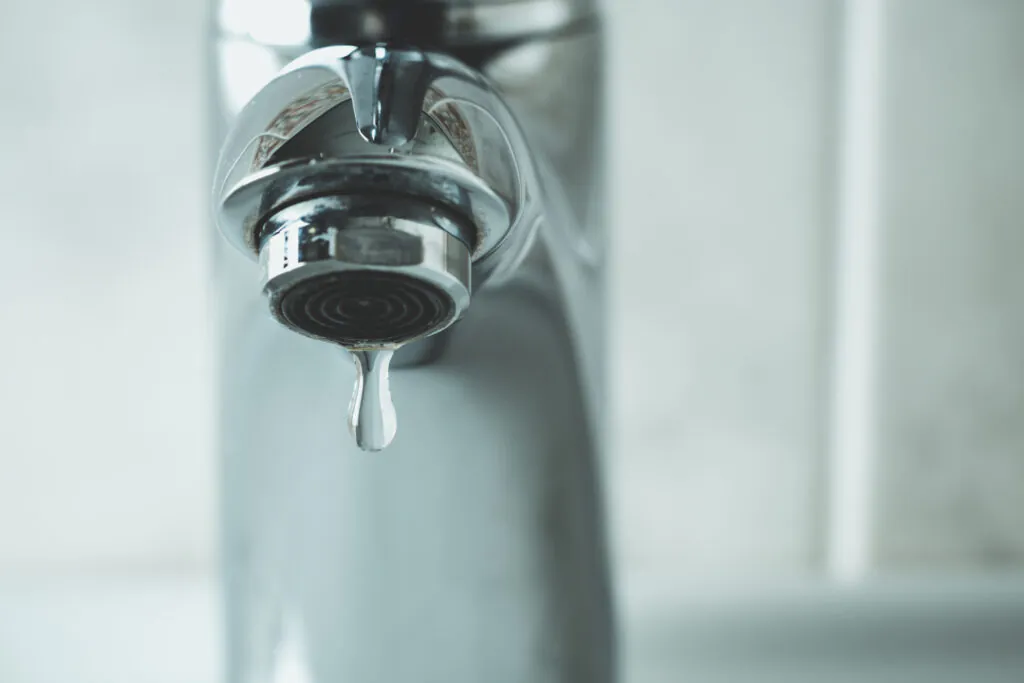
A common sign that you have hard water is a white, chalky deposit. You may find this on your faucet, showerhead, and other plumbing fixtures. These deposits are simply the result of water drying and the minerals remaining on these various surfaces. You may notice a low flow of water coming from fixtures when minerals accumulate.
Check Dishes and Glassware for Spots
Another indicator you may have hard water in your home is that you see spots on your dishes or glassware. These are cloudy areas where residue remains on your dishes, glasses, and silverware. You may notice that right after you clean them and they dry, the residue just stays behind regardless of how much you scrub.
Pay Attention to How Soap and Shampoo Lather
Hard minerals interfere with how cleansing molecules work. Soaps, shampoos, and detergents will struggle to create a good lather when calcium, magnesium, and other minerals are present. This results in having to use more products to properly clean your clothes and body.
Notice Changes in Your Skin and Hair
Mineral-heavy water can leave behind a residue on both your skin and hair. This can make it feel dry or like there is a residue left behind after you get out of the shower. You may notice excessively dry and flaky skin or even dandruff.
Hard Water Can Affect Plumbing and Appliances
Limescale buildup is a substantial problem that can impact your plumbing system and appliances. Accumulations inside your pipes, fixtures, and any water-using appliances can restrict the flow of water. This reduces the efficiency of your components. Many water heaters and dishwashers will have a lower operating efficiency because of mineral deposit buildup.
How Can You Confirm That You Have Hard Water?
If you suspect you have hard water, there are a few things that you can do to confirm the presence of minerals. Purchasing a simple home testing kit gives you a basic indication of water hardness. However, if you want more detailed results, getting professional water quality testing is the way to go. This plumbing service gives you a clearer picture of your home’s water condition and exact hardness level.
When Should You Consider Water Treatment?
If you’re dealing with spotting on dishes, mineral deposits, scale buildup on fixtures, and other water quality concerns, it’s best to schedule a professional inspection. We offer a variety of plumbing services throughout Cincinnati and Northern Kentucky for homeowners who have concerns about their water quality. Our team can perform professional water testing to determine the hardness of your water and recommend the right solution for you.
One of our most popular water treatment options for dealing with hard water is a water softener system. This is a device that will reduce the amount of calcium and magnesium minerals in your water. We install it just past your water inlet. This allows us to treat incoming water before it reaches your plumbing fixtures and pipes.
Water will enter the water softener tank, where there are special resin beads. Through an ion exchange process, the calcium and magnesium will bind to the resin beads. Then, the beads will release sodium or potassium. This softens your water supply to protect the integrity of your plumbing system and all its components.
Find the Right Solution for Your Home’s Water
Poor soap lather, mineral buildup, spotted dishes, and excessively dry skin are all common indicators of hard water. If you believe that you have a water quality issue in your home, it’s best to seek professional assistance. Contact Schneller Knochelmann today for professional water treatment and plumbing services in Cincinnati and Northern Kentucky.